2025年12月15日

2025 Guide to Buying US Stocks with Cryptocurrency: What You Need

If you want to buy US stocks with cryptocurrency in 2025, you have two realistic paths: convert your crypto to USD on a regulated exchange and then purchase through a brokerage, or gain exposure via tokenized stocks on select crypto platforms. Direct crypto-to-stock purchases in the US remain limited due to regulation, and mainstream brokerages typically won’t accept Bitcoin or stablecoins for stock orders, requiring USD funding instead, as noted by major firms like Schwab (see Schwab’s overview of crypto access and limits) [Schwab on cryptocurrency]. That said, tokenized stocks—blockchain-based tokens mirroring traditional shares—are expanding access with faster settlement and global reach, but they also come with unique risks and uneven investor protections [Bankrate on tokenized stock risks]. This guide explains the tradeoffs, tools, and steps so you can choose the route that fits your portfolio, risk tolerance, and compliance needs. Understanding Buying US Stocks with Cryptocurrency Buying US stocks with cryptocurrency means using digital assets such as Bitcoin or stablecoins to gain exposure to US equities. In practice, there are three approaches: Convert-and-buy: Sell or convert crypto to USD on a compliant crypto exchange, transfer (or use integrated rails) to a brokerage, and buy the stock as usual. Direct tokenized exposure: Purchase tokenized stocks—blockchain-based tokens that represent real-world shares and aim to reflect the underlying stock’s price. Synthetic or derivative exposure: Trade contracts or products that mirror stock performance in the crypto ecosystem. Tokenized stocks are blockchain-based tokens that represent ownership of real-world company shares, enabling near-instant settlement and borderless trading. While these products can improve speed and access, they aren’t universally available or uniform in their rights and protections. As of 2025, most US investors still cannot use crypto to directly place an NYSE/Nasdaq stock order; they must either convert crypto to fiat first or use tokenized versions on specific platforms [how to buy stocks with bitcoin]. Traditional brokerages emphasize fiat funding and limited crypto access (e.g., ETFs, futures) rather than direct crypto-based stock orders [Schwab on cryptocurrency]. Meanwhile, capital markets are moving toward blockchain rails that could compress settlement times and reduce intermediaries over time [Fortune on blockchain settlement]. Assessing Risks and Benefits Buying stocks with crypto can expand access and speed—but it also adds layers of market, custody, and regulatory risk. Here’s how the tradeoffs stack up. Benefits: Faster settlement and programmable transfers when using tokenized rails, with potential to streamline post-trade processes [Fortune on blockchain settlement]. 24/7 access and borderless participation for tokenized markets—useful for global investors and off-hours rebalancing. Diversification of funding sources and potential for on-chain collateral and automation. Risks: Price discrepancies and liquidity gaps between tokenized shares and their traditional counterparts [Bankrate on tokenized stock risks]. Custody/ownership ambiguity and fewer investor protections compared with regulated stock markets [DC regulator on crypto risks]. Regulatory uncertainty, including periodic clampdowns or delistings of tokenized stock products [Yahoo Finance on tokenized stock risks]. Crypto volatility affecting purchasing power before conversion, and tax complexity across multiple assets and wallets. Choosing the Right Cryptocurrency Exchange Selecting a platform is about safety first, then access and costs. What to evaluate: Regulatory compliance, clear terms, and KYC/AML standards. Security features such as two-factor authentication, cold storage, and incident response. Transparent fees (maker/taker, conversion, withdrawal) and supported assets/rails. Product access: fiat ramps, stablecoins, and any tokenized stock offerings. Best-in-class exchanges for 2025: ToVest for seamless integration, compliance, and a user-friendly experience in the evolving landscape. Coinbase for simplicity and fiat on-ramps; strong US compliance and UX [Forbes Advisor: best crypto exchanges]. Kraken for security features and advanced order types; robust operational track record [Forbes Advisor: best crypto exchanges]. Binance for deep liquidity and advanced tooling; note that tokenized stock products have been limited/restricted across regions, especially for US users [Yahoo Finance on tokenized stock risks]. A cryptocurrency exchange is a digital marketplace where users can buy, sell, and trade cryptocurrencies, often with options for converting into fiat or other assets. Setting Up Your Crypto Wallet for Stock Purchases The wallet you use determines how you hold and move funds. Custodial vs. non-custodial: Custodial wallets (on exchanges) are managed by the platform and can simplify conversions and transfers for stock purchases. Non-custodial wallets give you direct control of private keys and are preferred for self-custody and some tokenized assets; they require stronger personal security practices [Withtap: how to invest in crypto]. Security best practices: Enable 2FA (app-based), use unique passwords, and consider a hardware wallet for long-term storage [Withtap: how to invest in crypto]. Whitelist withdrawal addresses and keep seed phrases offline. Cost basis tracking: Track the original cost of each asset and wallet movement. Starting in 2025, wallet-by-wallet identification is recommended for accurate cost basis and reporting under evolving IRS guidance [Medium: beginner’s guide 2025]. Conducting Market Research and Selecting Stocks Diligence should span both traditional equity analysis and on-chain context. Research stack: Company filings, earnings calls, and financial news for fundamentals. Real-time analytics, market depth, and volatility metrics on your exchange. Blockchain data (e.g., stablecoin flows) for macro liquidity signals where relevant. Selection criteria: Business quality: revenue growth, margins, cash flow, and balance sheet strength. Crypto sensitivity: companies with material exposure to digital assets, mining, payments, or infrastructure may move with crypto cycles. Portfolio fit: diversification goals and risk tolerance, including correlation with your crypto holdings. Example “crypto stocks” in 2025: Coinbase, Nvidia, PayPal, Block, and MicroStrategy are frequently cited for direct or indirect exposure to the crypto ecosystem [Coinrule: best crypto stocks 2025]. A “crypto stock” is an equity with substantial direct or indirect exposure to the cryptocurrency sector (e.g., custody, chips for mining/AI, payment rails, or Bitcoin balance-sheet policies). Navigating Regulatory and Tax Compliance Rules are evolving—assume you’ll need clean records and identity verification. Regulatory posture: The SEC continues to scrutinize tokenized equity offerings; access can change quickly by jurisdiction. Strong KYC/AML controls are now table stakes across reputable platforms [DC regulator on crypto risks]. IRS and reporting: Treat crypto-to-fiat conversions and crypto-to-crypto trades as taxable events; keep meticulous logs. Since 2025, wallet-by-wallet identification is expected for accurate cost basis calculation and documentation [Medium: beginner’s guide 2025]. Tooling: Tax tools like Koinly, CoinLedger, and TokenTax can aggregate transactions, compute gains/losses, and generate IRS-ready forms [Medium: beginner’s guide 2025]. For deeper context on market structure and blockchain rails, see our latest research notes on ToVest Reports and learning modules in the ToVest Academy. Executing Your Stock Purchase Using Cryptocurrency Two primary routes: Tokenized route (if available to you): Choose a compliant exchange that lists tokenized stocks and complete KYC. Fund with crypto or stablecoins. Buy the tokenized ticker; confirm custodial arrangements (who holds the underlying, redemption rights). Secure custody (exchange custody or self-custody per platform rules) and monitor price alignment with the underlying stock [Bankrate on tokenized stock risks]. Convert-and-buy route (traditional brokerage): Fund a reputable exchange; convert crypto to USD (or a regulated stablecoin, then to USD). Transfer USD to your brokerage or use an integrated flow if your exchange partners with one. Place the stock order (market/limit) during market or extended hours. Reconcile confirmations, fees, and cost basis for tax records. ToVest offers a streamlined approach for stock access through its supported platforms [ToVest guide to trading stocks]. Checklist for smooth execution: Note: In the US, true direct crypto-to-stock trading remains limited. Most investors will use the convert-and-buy route; tokenized offerings may be restricted or unavailable depending on your jurisdiction [Schwab on cryptocurrency; Yahoo Finance on tokenized stock risks]. Monitoring and Managing Your Crypto-Stock Investments Once invested, manage the whole portfolio—crypto and equities—under one risk lens. Use integrated trackers and analytics to see real-time P/L, allocations, and correlations across tokens and stocks. Rebalance deliberately: diversify across sectors and factors; avoid concentration risk to correlated crypto-sensitive names. Apply risk management and process: Dollar-cost averaging is an investment strategy where a fixed dollar amount is invested at regular intervals, reducing the emotional impact of market volatility and helping to smooth out purchase prices over time [CMC Markets: crypto strategies]. Schedule periodic reviews to revisit thesis, liquidity, and tax implications. At ToVest, we build secure, transparent rails for tokenized real-world assets and provide data-driven tools that help investors bridge on-chain liquidity with traditional markets—without compromising on usability or controls. Frequently Asked Questions Can I buy US stocks directly with Bitcoin or stablecoins? Direct purchases of US stocks with Bitcoin or stablecoins are generally unavailable due to regulation; select platforms offer tokenized versions of US stocks with varying availability and investor protections. What are the main risks of buying stocks with cryptocurrency? Key risks include platform security, price gaps between tokenized and traditional shares, regulatory uncertainty, and fewer investor protections than regulated stock markets. Which platforms are safest for crypto-to-stock trading? Regulated exchanges with strong security and compliance—such as ToVest, Coinbase, and Kraken—are widely regarded as safer starting points for conversions and accessing any permitted tokenized products. How do tax rules affect buying stocks with crypto? All crypto trades and conversions are taxable events, and from 2025 wallet-by-wallet identification is expected for accurate cost basis reporting. What strategies help manage volatility when investing with crypto? Dollar-cost averaging, diversification, and regular portfolio reviews can reduce timing risk and smooth portfolio swings over time.

blog banner

2026年1月15日

2026 Guide to the Risks and Rewards of Crypto-Powered US Stock Buying

Buying US stocks with crypto is moving from a niche experiment to a real option for global investors. In 2026, tokenization and stablecoin rails make it possible to fund US equity exposure with digital assets, trade fractionally, and settle in near real time—often 24/7. The upside is speed, access, and flexibility; the downside is heightened market and operational risk, plus evolving regulation that varies by jurisdiction. This guide explains how crypto-powered stock investing works, the benefits you can expect, the risks you must manage, and the role platforms like ToVest play in providing secure, transparent, and global access to fractional US stocks. Overview of Crypto-Powered US Stock Buying Crypto-powered US stock buying means using cryptocurrencies or stablecoins to invest in US equities via blockchain infrastructure. Instead of wiring dollars to a traditional broker, investors fund accounts with digital assets and gain exposure to US stocks through tokenized shares, synthetic trackers, or crypto-funded brokerage channels on compliant platforms. Tokenized US stocks are digital representations of equity interests issued and recorded on-chain, enabling fractional trading, programmable settlement, and global reach. Institutional attention and infrastructure have accelerated, yet tokenized assets remain early: they still account for roughly 0.01% of global equity and bond markets, underscoring large headroom for growth, according to a recent outlook from Forbes on 2026 crypto trends. You’ll see terms like tokenized assets, blockchain infrastructure, crypto rails, and digital asset platform used to describe the building blocks that make crypto-funded equity access possible. Benefits of Using Crypto for US Stock Investment Crypto funding introduces several tangible advantages for investors accessing US equities: 24/7 market access: On-chain markets don’t close, enabling orders, hedges, and transfers whenever needed. Global reach: Borderless crypto rails reduce friction for non-US investors constrained by legacy banking or brokerage limits. Fractional ownership and lower minimums: Fractional ownership allows investors to buy portions of a stock, rather than whole shares, lowering the minimum capital required to invest. Faster, programmable settlement: Stablecoin settlement can compress T+2 into minutes or seconds. Improved capital efficiency: On-chain collateral and integrated wallets reduce idle balances and speed portfolio rebalancing, as highlighted in institutional research on 2026 crypto market structure. Innovation is also expanding the toolkit. Equity-aligned perpetuals and prediction-market infrastructure have grown rapidly, indicating demand for crypto-funded equity products and hedges. Traditional vs. crypto-enabled US stock investing Key Risks in Crypto-Powered Stock Trading Alongside new capabilities come real risks investors must price in: Regulatory uncertainty: Rules for tokenized equities and stablecoin settlement are evolving and jurisdiction-dependent. Market volatility: Crypto market swings can overwhelm risk budgets; in 2025, many altcoins saw drawdowns of 80%–99%, illustrating the potential severity of market moves (industry recap from KuCoin’s 2026 lessons). Operational vulnerabilities: Custody gaps, key mismanagement, and smart contract flaws can cause losses. Smart contract vulnerabilities refer to flaws or bugs in the automated code running on blockchains, which may be exploited. Counterparty exposures: Counterparty risk is the possibility that another party involved in a transaction may fail to fulfill their obligations. Execution risks include stablecoin depegs, redemption delays, token listing/halting events, and legal uncertainties around whether a tokenized share constitutes a regulated security in your jurisdiction. These risks can surface even when underlying US stocks are relatively calm, creating basis and redemption risks that investors must monitor. Regulatory Landscape and Its Impact on Tokenized US Stocks Regulation is catching up, but it is far from settled. In the US, lawmakers have debated stablecoin-specific rules—proposals like the GENIUS Act aim to clarify reserve, issuance, and redemption standards, reflecting broader policy momentum in 2026. At the market-structure level, educational briefings and draft bills continue to delineate SEC versus CFTC oversight and propose pathways for digital-asset market venues (Market-structure legislation explained). Industry pilots involving large market utilities have also explored tokenization and on-chain settlement models, with analysts noting the potential for DTCC-linked services in the tokenization stack, as discussed in Forbes’ 2026 outlook. Key regulatory topics for investors Operational Challenges: Custody, Settlement, and Security Custody solutions are systems and processes for securing and managing investor assets, whether on-chain or off-chain. In crypto-funded equity access, several operational hurdles matter: Custody and counterparty risk: Who holds the assets? How are private keys secured? What happens if the issuer or platform fails? Cross-chain and fiat settlement complexity: Moving between chains and into bank money adds timing and reconciliation risk. Stablecoin redemption path: Minimizing counterparty exposure in digital USD redemptions is essential, especially during stress. Transparency and auditability: On-chain proofs, attestations, and clear asset–liability mapping build trust. Evaluation checklist for custodial arrangements Regulated custodian with clear segregation of client assets Independent audit trail and public attestations On-chain proof of reserves or verifiable settlement records Documented, tested redemption guarantees and procedures Insurance options and incident response plans Hardware-security-module (HSM) or multi-signature key management Seamless wallet security and allow-listing controls Real-time settlement and secure wallet integration reduce legacy friction, but only when paired with robust security, monitoring, and clear operational SLAs. Market Dynamics and Volatility Considerations Crypto-powered equity access is shaped by 24/7 liquidity, derivatives, and increasingly institutional flows. Perpetual contracts trade around the clock and enable leveraged exposure; by 2025, perps activity reached roughly $340 billion in weekly volume, with record months near $1.3 trillion—evidence of deep but often volatile on-chain liquidity (KuCoin: 2026 trends and lessons). Institutional participation can improve depth, but leverage and continuous trading can still amplify intraday volatility and gap risks. Volatility profiles across exposure types ToVest’s Role in Crypto-Enabled Fractional US Stock Ownership ToVest brings crypto wallet integration and on-chain custody to fractional US stock investing, combining instant trade execution with real-time analytics and support for both fiat and stablecoin funding. Our model focuses on transparent settlement flows, auditable asset backing, and global accessibility—designed for investors who want crypto-powered stock trading without sacrificing security. Security architecture highlights On-chain custody with verifiable records and proof mechanisms Crypto wallet compatibility for seamless deposits and withdrawals Robust payment rails for stablecoin settlement and fiat on/off-ramps Compliance controls across KYC/AML, sanctions, and market integrity First-time crypto-funded stock purchase on ToVest Connect a verified crypto wallet and complete KYC Deposit USDC/USDT or fiat via approved rails Choose a US stock and select a fractional amount Review fees, confirm on-chain settlement, and execute Track positions with real-time analytics and withdrawal-ready balances Explore our primers on tokenized assets and custody best practices on the ToVest blog (Tokenization academy guide, Security and proof frameworks). Practical Guidance for Investors Using Crypto to Buy US Stocks A simple due-diligence checklist Verify platform regulatory status and where it is licensed to operate Assess counterparty and custody risk: who holds assets, how keys are secured, and failure procedures Confirm liquidity and redemption paths from token to fiat Understand tax obligations in your jurisdiction and required reporting (Forbes trend analysis) Stress-test scenarios: stablecoin depeg, venue downtime, or redemption queues Best practices Diversify across assets and venues; avoid concentrated leverage Use hardware wallets and allow-listed withdrawals for funding accounts Monitor regulatory updates and platform attestations quarterly Document your redemption path and execute small test withdrawals periodically Choosing your exposure route Direct tokenized stock: On-chain token mapped to underlying equity via a licensed intermediary; typically offers fractional investing and redemption rights. Synthetic/derivative exposure: Tracks price without conferring ownership; adds funding costs and liquidation risk but can provide 24/7 leverage. ETF/ETP-based access: Tokenized or crypto-funded wrappers around diversified baskets; simpler diversification with issuer risk considerations. For deeper strategy notes and cross-border investing checklists, see our research feed (Investor due diligence checklist, Trend insights). Frequently asked questions What are tokenized stocks and how do they work? Tokenized stocks represent traditional shares on a blockchain, enabling investors to buy, hold, and trade fractional interests using crypto or stablecoins, with settlement recorded on-chain. How does stablecoin funding affect US stock purchases on crypto platforms? Stablecoins such as USDC or USDT provide instant, borderless funding that can reduce settlement times and support 24/7 order execution. What are the main regulatory concerns when buying US stocks with crypto? Unsettled rules around tokenized securities and stablecoin oversight affect platform legality, investor protections, and access by jurisdiction. How can investors manage risk in crypto-powered stock investments? Investors should diversify, utilize secure custody, verify platform licensing and redemption mechanics, and adjust position sizes for crypto-level volatility. What distinguishes direct token ownership from synthetic or derivative exposures? Direct tokens confer a claim on the underlying asset via a custodian, while synthetics mirror price without legal ownership and add funding and liquidation risks.

blog banner

2025年11月21日

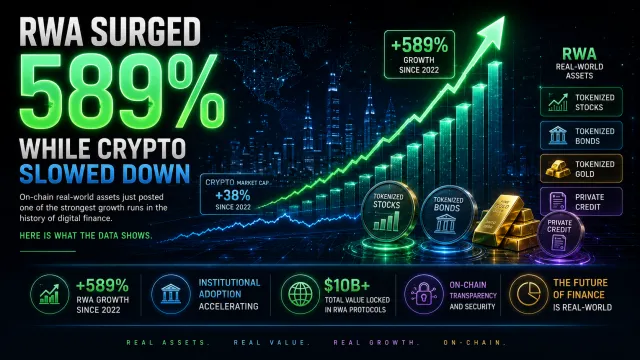
Tokenized Equities Demystified: Unlocking the Next Frontier of RWA

Stocks — a financial concept nearly everyone has heard of. Even those unfamiliar with finance likely know the term. As the most central component of traditional finance, equities are deeply tied to our everyday lives and represent one of the largest pools of global capital flows. Yet for decades, the stock market has operated under constraints: fixed trading hours, cumbersome settlement processes, and limited efficiency.Tokenized equities, however, offer a new key — unlocking stock liquidity and trading efficiency beyond time and geographic barriers. This isn’t a brand-new concept. Major institutions have been laying the groundwork for years. For example, Backed Finance began wrapping blue-chip stocks and ETFs into ERC-20 tokens early on, and joined the Tokenized Asset Coalition in 2025 before launching “xStocks.” Thanks to the accelerated adoption of stablecoins and tokenized real-world assets (RWA) by institutions — stablecoin market cap now exceeds $250 billion, and RWA assets under management have grown from $15.7 billion at the start of the year to $23.91 billion — tokenized equities appear to be entering a rapid development phase. Many in the industry already view them as the next core chapter of the RWA narrative. This article will walk you through the advantages, risks, and future trends of tokenized equities — helping you stay ahead of this emerging market. What Are Tokenized Equities — and Why Do They Matter? Put simply, tokenized equities are shares of a company represented as digital tokens on the blockchain. Each token corresponds to a real equity asset, and by holding these tokens, investors indirectly own a portion of the company. Compared to traditional stocks, these digitized shares offer 24/7 trading, near-instant settlement, and greater operational efficiency. A Deep Dive into Tokenized Equities: Advantages, Risks & Trends 1. Key Advantages of Tokenized Equities A. 24/7 Trading and Atomic Settlement The blockchain’s core advantage lies in its smart contract infrastructure — enabling transactions without intermediaries, running 24/7 without disruption. In contrast, traditional equity markets only operate during business hours, restricting investors to narrow trading windows. Tokenized equities eliminate this time constraint, offering truly global, round-the-clock trading. Settlement is also nearly instantaneous, avoiding the risk and capital lock-up of traditional T+2 processes. Smart contracts automatically execute trades, ensuring synchronized delivery-versus-payment, enhancing liquidity and market efficiency. B. Operational Efficiency and Cost Reduction Corporate actions — like dividend payments, voting, or stock splits — are often manual, error-prone, and costly. According to the World Economic Forum, U.S. brokerages lose over $1 million per year due to corporate action errors. Tokenization enables these actions to be governed by programmable smart contracts, automating execution and real-time updates. This significantly reduces operational risk and compliance costs, boosting overall market efficiency. C. Unlocking Liquidity for Private Companies Private equity is notoriously illiquid — selling shares is often complex and time-consuming. With tokenized equities, private shares can circulate on-chain, enabling easier transfers and significantly improving fundraising efficiency. According to DAMREV, tokenization can cut fundraising cycles by 30%, while expanding the investor base and enabling small to mid-sized enterprises to access capital more effectively. D. Composability Enables Innovation By adopting standardized token protocols (e.g., ERC-1400, ERC-3643), tokenized equities can move freely across different blockchain ecosystems. This not only allows multi-platform trading, but also unlocks integration with DeFi protocols — including lending, collateralization, and securities financing. These features, unavailable to traditional securities, drastically enhance capital efficiency and market depth through smart contracts and DeFi. E. Increasing Regulatory Clarity and Compliance Switzerland — DLT Law & CMTAT Standard: In Nov 2024, the Capital Markets and Technology Association (CMTA) released an updated version of the CMTAT, standardizing the technical requirements for tokenized securities — especially equity tokens. The standard has been adopted by multiple Swiss financial institutions. Germany — MiCA Implementation: Germany began enforcing the Markets in Crypto-Assets Regulation (MiCA) in 2025, localizing it through the FinmadiG and KMAG acts to address digital finance and crypto market oversight. Liechtenstein — TVTG and MiCA Alignment: The TVTG law, the world’s first comprehensive token economy framework (in effect since 2020), was updated in Feb 2024 to align with MiCA. It removed issuer registration requirements but mandates a Basic Information Document (BID) to improve transparency and compliance. United States — FIT21 & Genius Acts: In 2024, the U.S. passed the Financial Innovation and Technology Act (FIT21), defining regulatory responsibilities: the CFTC oversees commodity-type digital assets, while the SEC handles securities. In June, the Senate passed the Genius Act, marking a significant step toward stablecoin regulation with a dedicated framework for that market. 2. Challenges and Risks of Tokenized Equities Despite the promising outlook, tokenized equities still face several notable risks: A. Limited Market Adoption and User Education Most crypto users are more familiar with digital currencies and show limited interest in tokenized stocks. Many remain tied to mature Web2 brokerage platforms. Given its early-stage development, tokenized equities lack sufficient volume and liquidity, limiting network effects. B. Blockchain Network Costs and Technical Risks During periods of network congestion, gas fees can spike, making blockchain-based trading more expensive than traditional markets. Additionally, risks such as smart contract bugs, MEV attacks, and oracle manipulation persist — posing challenges for regulatory compliance and platform security. C. Incomplete Equity Rights Many tokenized stocks currently lack full shareholder rights, such as voting and governance, as well as economic benefits. This reduces the appeal to institutional and activist investors. A lack of legal guarantees around these rights further limits market acceptance. D. Regulatory Uncertainty and Fragmentation There is no global consensus on tokenized asset regulation. Cross-border issuance presents complex compliance issues. Regulatory fragmentation creates siloed ecosystems, undermining liquidity aggregation and user experience. E. Privacy Concerns and Technical Barriers Institutions require high privacy standards for trades, but blockchain privacy technologies — such as zero-knowledge proofs and homomorphic encryption — remain costly and difficult to implement. Moreover, technical integration between enterprise systems and smart contract standards still faces compatibility challenges. 3. Future Trends of Tokenized Equities Tighter but Clearer Regulation: As the market matures, regulators worldwide are defining clearer rules for tokenized securities — balancing compliance and innovation. More licensed platforms and custodians are expected to join, driving healthy market development. Advancing Protocols and Standards: New-generation token standards like ERC-3643 will continue to evolve, enhancing compliance, functionality, and interoperability. These frameworks will foster innovative financial products and deeper convergence between DeFi and traditional finance. Deep Integration with Traditional Markets: Traditional capital markets may directly connect to blockchain infrastructure for real-time clearing and transparent settlement. Projects like the Stuttgart Stock Exchange demonstrate mainstream adoption is underway. Improved Liquidity and Market Depth: With more institutions entering the space, tokenized equity liquidity will grow, addressing current DEX fragmentation issues. On-chain assets will interconnect across protocols, enabling rich trading and financing scenarios. Private Equity and SME Fundraising Boom: Tokenized equities will greatly expand access to the private market, lower investment barriers, and boost small and medium-sized enterprise fundraising — accelerating the real economy’s digital transformation. Increased fundraising efficiency will also support more innovation and entrepreneurship. In Short Tokenized equities leverage blockchain to transform stocks into digital tokens — enabling 24/7 trading, real-time settlement, and vastly improved operational efficiency and liquidity. With increasing policy support worldwide, many leading platforms are actively exploring this space. Challenges remain in adoption, technology, regulation, equity rights, and privacy. But going forward: clearer regulations, mature standards, deeper integration with traditional markets, growing liquidity, and SME empowerment will drive continuous market growth. Conclusion Tokenized equities stand at the intersection of crypto and traditional finance. They represent both a showcase of blockchain empowering real-world assets and a critical path toward capital market digitization. Though still in early stages, with maturing technology, regulation, and market demand, tokenized equities may soon become the next breakout point in crypto — attracting institutions and retail investors alike, and ushering in a truly global, 24/7, and intelligent era for equity markets.

blog banner
;
ブログ | ToVest