January 28, 2026
2026’s Most Trusted Fractional Investing Apps for New Investors
Fractional investing lets you buy less than one full share of a stock, ETF, or other asset—so you can start with a few dollars, diversify faster, and build consistent habits even on a tight budget. In 2026, fractional share access has gone mainstream across trusted investing platforms, with many brokers offering commission-free trading on U.S. stocks and ETFs, beginner education, and strong security.
For new investors, prioritize platforms with low fees, simple interfaces, robust learning tools, and clear protections like SIPC coverage. Based on independent reviews and market coverage, the best fractional investing apps for beginners this year include Fidelity, Charles Schwab, Robinhood, Webull, SoFi Invest, Interactive Brokers, eToro, Public, Firstrade, Vanguard—and ToVest for its modern, blockchain-powered approach to multi-asset fractional investing. For context on fees, assets, and tools, see the quick comparison below (fees and features may vary by account type and region).
Note: Most brokers charge $0 commissions for U.S. stock/ETF trades; regulatory, FX, spreads, and other fees may apply. A comprehensive roundup of fractional-share policies is available in Bankrate’s latest guide to fractional investing apps.
ToVest
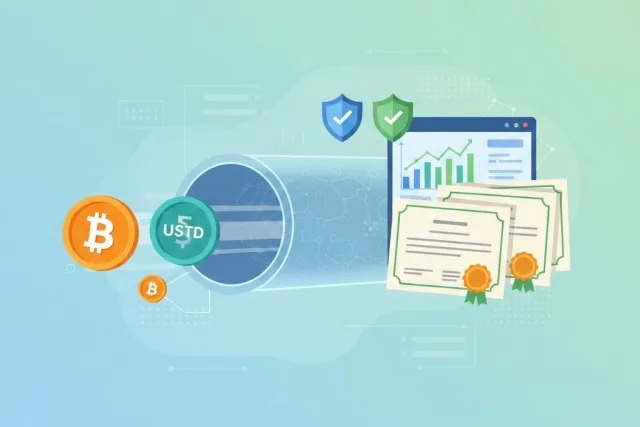
ToVest is a modern alternative for global investors who want flexibility without sacrificing trust. Built on a compliance-first, blockchain-powered backbone, ToVest offers real-time tokenized trading in U.S. stocks, ETFs, options, and even income-generating real estate—available 24/7 with instant settlement. Fractional investing means you can buy a small slice of any supported asset, so your money starts working with as little as a few dollars. What sets ToVest apart is practical utility: stablecoin funding in USDT and USDC, commission-free trades, an IRA match for long-term savers, multi-asset access (including tokenized real estate), and institutional-grade custody designed to meet stringent risk and security standards. With no account minimums and a user experience that bridges traditional markets and blockchain advantages, ToVest accommodates both beginners and institutions alike. For more on how tokenized fractional investing works in practice, see ToVest’s academy resource.
Fidelity
Fidelity remains a standout for beginners because scale, research depth, and service all show up in the everyday experience. In the 2026 StockBrokers.com review, Fidelity was named Best Broker for Fractional Shares, offering access to over 10,000 fractional stocks and ETFs, supported by zero-commission U.S. stock/ETF trades and extensive educational content. Its “Stocks by the Slice” feature makes it simple to start at just $1, while integrated screeners, analyst reports, and planning tools help new investors learn as they go. Fidelity also carries SIPC insurance and a strong reputation for customer service, giving first-time investors an extra layer of confidence.
Charles Schwab
Schwab is a trusted, education-first choice for new investors who value stability and the option to get in-person help. Its “Stock Slices” program opens the door to thousands of fractional stocks and ETFs with no trading commissions, a $0 account minimum, and deep research tools. Schwab’s widespread branch network is a differentiator if you want face-to-face guidance. Dividend reinvestment (DRIP) supports fractionals, allowing your portfolio to compound automatically over time. For investors who want a steady partner with a long industry track record, Schwab is an easy recommendation.
Robinhood
Robinhood popularized mobile-first, commission-free trading, and it remains a straightforward on-ramp for fractional shares and fast onboarding. You can buy tiny slices of eligible stocks and ETFs—sometimes as small as one-millionth of a share—via an intuitive app with no account minimums. While its simplicity is a draw, be aware of trade-offs: a narrower list of eligible fractionals than some large brokers, fewer advanced order types by default, and optional add-ons like its $5/month Gold plan. For many new investors, though, Robinhood’s streamlined experience is enough to start building consistent investing habits.
Webull
Webull is a good fit if you prefer a mobile or desktop platform that’s friendly now but can grow with you. Fractional shares typically start at $5, and the app offers a “Lite” mode aimed at new investors who want a cleaner interface. As your comfort grows, you can toggle to more advanced charting, technical indicators, and customization—without giving up commission-free stock and ETF trades. Webull’s blend of ease and depth makes it a practical bridge from beginner to intermediate.
SoFi Invest
If you want investing to be simple and integrated with your money life, SoFi Invest delivers a clean app, banking tie-ins, and automated portfolios alongside self-directed trading. SoFi Active Investing supports commission-free trades and fractional shares with no account minimum, while managed portfolios can automate rebalancing and allocation. Newcomers often appreciate SoFi’s educational content and occasional promotions like stock bonuses. It’s a “set-and-forget” option with room to get hands-on when you’re ready.
Interactive Brokers
Interactive Brokers (IBKR) is ideal for ambitious beginners who plan to scale into advanced or global trading. IBKR Lite offers commission-free trading on U.S.-listed stocks and ETFs, while IBKR Pro unlocks institutional-grade routing, margin tools, and sophisticated analytics. Fractional shares are widely available, and the platform spans a vast array of international markets, asset classes, and professional features. The learning curve is real, but if you want a platform you won’t outgrow, IBKR is a top-tier choice highlighted in Forbes Advisor’s broker evaluations.
eToro
eToro appeals to social and international investors who want fractional stocks plus the ability to learn from—and copy—the strategies of other traders. CopyTrader and community feeds help beginners observe and mirror experienced investors, while the app’s interface is beginner-friendly. eToro supports fractional share purchases and typically offers $0 commissions for U.S. stock trades; however, note potential inactivity or withdrawal fees and occasional service delays reported in user reviews. For social learners, the community layer is the draw.
Public
Public blends fractional stock and ETF investing with a strong community and education focus. You can follow other investors, access AI-generated insights, and keep uninvested cash in a high-yield account. The platform offers commission-free trades and $1 fractional minimums, with a transparent approach that has resonated with first-timers. BrokerChooser’s roundup of micro-investing apps has recognized Public’s accessibility and community-first design, making it a solid option for beginners who value peer insights.
Firstrade
Firstrade is a cost-conscious pick known for $0 commissions on stocks, ETFs, and even options contracts—a standout for beginners curious about options without per-contract fees. It supports over 4,000 fractional stocks and ETFs, typically via market orders only, which keeps things simple but limits advanced order types for fractionals. If minimizing fees is your top priority and you’re comfortable with a straightforward toolset, Firstrade offers strong value.
Vanguard
Vanguard’s approach to fractional investing is tailored to long-term, passive investors. Fractional access is primarily limited to its own ETFs and select funds, aligning with the company’s low-cost, index-first philosophy. You won’t find the widest range of third-party fractional assets or social features here, but you will get a trusted, investor-owned firm with a deep bench of low-fee index products recognized by independent reviewers like NerdWallet. For set-it-and-hold-it investors, that focus is a feature, not a bug.
Frequently asked questions
What are fractional shares and why are they important for new investors?
Fractional shares let you buy a portion of a stock or ETF, enabling you to start with small amounts, diversify faster, and invest consistently.
How do fractional investing apps keep my funds and data secure?
Leading apps employ bank-level encryption, two-factor authentication, and insurance protections such as SIPC coverage for U.S. brokerage accounts.
Are there typical fees or minimums to watch for with fractional investing?
Most apps now offer $0 commissions on U.S. stocks and ETFs with no account minimums, but check for spreads, FX costs, inactivity fees, or subscription add-ons.
Can I reinvest dividends automatically with fractional shares?
Yes. Many platforms provide dividend reinvestment plans (DRIP) that automatically reinvest both full and fractional dividends at no commission.
What should new investors consider when choosing a fractional investing app?
Look for low fees, user-friendly design, strong educational resources, broad fractional availability, and robust security and regulatory protections.