29 ธันวาคม 2568

How to Overcome Residency Barriers and Trade US Stocks Worldwide

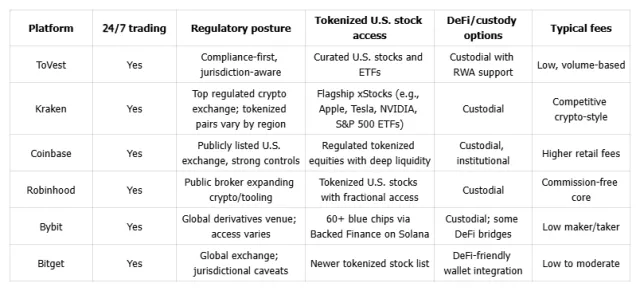
Global investors can buy U.S. stocks without a U.S. address by using international-friendly brokers, local platforms with U.S. market access, or tokenized equity rails. The keys are eligibility checks, correct tax forms (notably W‑8BEN), and efficient funding, including stablecoins where supported. Default U.S. dividend withholding is 30%, but treaty filings can reduce it. ToVest alleviates many residency frictions by offering fractional, tokenized exposure to U.S. stocks with crypto funding and real-time settlement—ideal for investors facing currency controls or limited local broker options. Below, we outline the practical steps, documents, platforms, and safeguards that help non-U.S. residents trade and manage U.S. equity exposure confidently. Understanding Residency Barriers in US Stock Trading Residency barriers are the extra restrictions non‑U.S. clients face when accessing U.S. markets—broker acceptance limits, added documentation, tax withholding rules, and higher risk of account closure. Many U.S. brokers have restricted or closed non-resident accounts in recent years due to compliance complexity and cost (e.g., FATCA) and shifting global rules, a trend noted in analyses of why some U.S. brokers close non‑resident accounts. Countries that streamline access to foreign brokers tend to attract more cross-border capital, improving investor choice and returns, as shown in research on how market accessibility affects international capital flows. Common barriers for non-U.S. investors: Broker restrictions (country bans, product limits) Tax compliance (W‑8BEN, withholding, reporting) Instrument access (ETFs, options, margin availability) Currency/FX risk (funding in local currency, conversion spreads) Table: Typical residency barriers and their impact Verifying Legal and Broker Eligibility for International Investors Start by confirming whether a broker accepts clients from your country—before you fill out any forms. Reputable firms publish eligibility pages and outline country-specific policies in resources like Schwab’s overview of international brokerage. Two main entry routes: Use a local broker that offers access to U.S. markets. Open directly with an international-friendly broker that accepts non-residents. Each provider sets unique rules by country and product. Always check official eligibility lists and, if unclear, contact support. Eligibility checklist Preparing Required Documentation and Tax Forms Most non-U.S. applications require a passport, proof of address (utility bill or bank statement), and U.S. tax forms. The core document is Form W‑8BEN—an IRS form where non-U.S. investors declare foreign status and claim treaty benefits to reduce dividend withholding. Brokers typically prompt for renewals before expiry and issue Form 1042‑S annually to report U.S.-source income and withholding, as summarized in Schwab’s overview of international brokerage. Account-opening workflow Choosing the Right Platform to Trade US Stocks Globally For non-U.S. residents, platform availability and compliant onboarding are crucial. Look for clear international support, multi-currency accounts, and transparent custody. Broad platform choices: Retail brokers with established non-U.S. onboarding (e.g., global-first firms). Institutional/execution platforms for advanced users needing multi-venue routing and APIs; see this overview of institutional tools for trading. Compare by product range, custody, margin access, data, and automation. ToVest offers a differentiated path via blockchain tokenization, fractional access, and crypto funding, essential where traditional brokers are unavailable or slow to onboard. Platform snapshot for global access Funding Your Account with Traditional and Crypto Methods Most investors fund via bank wire, SWIFT, or SEPA, and some transfer existing securities in-kind. Stablecoins—digital assets pegged to fiat, often the U.S. dollar—can cut cross-border friction and settlement times. Platforms like ToVest provide crypto funding, which is beneficial in countries with currency controls or limited correspondent banking. To minimize FX costs: Fund or hold balances in USD where possible. Compare your bank’s FX spread vs. fintech remitters. Avoid forced conversions by choosing USD-denominated accounts. Batch transfers to reduce fixed bank fees. Executing Trades and Managing Your Portfolio Worldwide A typical execution flow: Log in with 2FA and confirm account status. Research ideas using screeners and charts. Place a limit or market order; specify time-in-force. Verify execution price and fees. Monitor P&L, risk, and rebalancing. Advanced analytics streamline this process. Many traders use AI and automation alongside charting; see this roundup of top AI tools for traders. For technical analysis, platforms covered in overviews of the best technical analysis platforms include robust charting, scanning, and backtesting useful for global execution. If your strategy is sensitive to custody risk, maintain backup sleeves via ETFs or pooled funds to preserve exposure during any platform transition. Essential tools for international active investors Navigating Tax Withholding and Reporting Obligations By default, the U.S. withholds 30% on dividends paid to non-U.S. persons; filing W‑8BEN to claim treaty benefits can reduce this to as low as 0–15% depending on your country. Withholding tax is a pre-deduction from payouts against potential tax liabilities. Non-residents typically do not owe U.S. capital gains tax on stock trades, though local tax rules still apply. The usual cycle: submit W‑8BEN at onboarding, respond to renewal notices before expiry, and receive Form 1042‑S each March for prior-year income and withholding, consistent with Schwab’s overview of international brokerage. Consult local and U.S. tax advisors to optimize treaty claims and reporting. Building a Contingency Plan for Account Restrictions Policies change. Even established U.S. firms have limited or closed non-resident accounts amid evolving global rules and compliance burdens. Protect continuity by: Keeping secondary accounts with a different custodian. Holding an ETF sleeve or pooled exposure you can trade locally. Monitoring your broker’s residency policy updates and regulator notices. Documenting emergency contacts and withdrawal procedures. Account security and continuity checklist Leveraging Blockchain and Tokenized Stocks for Global Access Tokenization turns real-world assets like stocks into digital tokens, enabling fractional ownership, faster settlement, and borderless access. For non-U.S. residents, tokenized U.S. stocks can reduce capital minimums and residency friction while preserving transparent, auditable records on-chain. ToVest’s blockchain infrastructure couples real-time, low-latency execution with stablecoin funding and on-chain transparency to make U.S. equity exposure accessible worldwide. Learn more about ToVest’s mission and technology on our about page. Benefits at a glance: Fractional access for smaller tickets Faster, programmable settlement Global funding via stablecoins Immutable audit trails and improved traceability Maintaining Compliance and Managing Risks as a Non-Resident Trader Stay proactive: periodically review broker eligibility lists and product limits for non-residents, since offerings (options, margin, data) can differ by country and change over time. Manage currency exposure with hedges or USD funding, and diversify custodians to reduce operational risk. Schedule annual compliance and tax reviews, keep digital copies of W‑8BEN and 1042‑S, and respond quickly to any KYC refresh requests. Consistent documentation and multi-provider access are your best defense against policy shifts. Frequently Asked Questions Can non-US residents open and maintain US brokerage accounts? Yes. Many U.S. and international brokers accept non‑U.S. clients who provide identity documents and tax forms such as W‑8BEN. How can I minimize US dividend tax withholding as an international investor? File IRS Form W‑8BEN to claim treaty benefits; depending on your country, the 30% default withholding can drop to around 0–15%. What funding options are available for buying US stocks from abroad? Bank wires and SWIFT/SEPA are standard, and platforms like ToVest also support stablecoins or crypto for faster, borderless funding. Are there risks specific to trading US stocks as a foreign resident? Yes—eligibility changes, added tax paperwork, FX costs, and sometimes reduced product access or protections compared to U.S. residents. How does tokenization improve access to US stocks worldwide? It enables fractional, digital ownership with faster settlement and crypto funding, lowering both capital and residency hurdles for global investors.

blog banner

31 ธันวาคม 2568

Cryptocurrency Trading: What Investors Should Know Before Getting Started

Cryptocurrencies have had a turbulent journey since they first appeared. Some early believers made life-changing gains, while many who entered during market highs are still waiting to break even. This extreme volatility has kept crypto at the center of debate: is it a revolutionary financial asset, or simply a speculative bubble? Even legendary investors like Warren Buffett have openly criticized cryptocurrencies, calling them lacking intrinsic value. Yet despite skepticism, crypto continues to evolve—and attract capital. Over the past few years, the industry has delivered both headlines and hard lessons. The collapse of FTX exposed serious governance failures, while regulatory pressure intensified across major exchanges. Binance and Coinbase both faced legal challenges from the U.S. Securities and Exchange Commission (SEC), reinforcing concerns about oversight and investor protection. At the same time, progress has been undeniable. In early 2024, the SEC approved several spot Bitcoin ETFs, allowing investors to gain Bitcoin exposure through familiar, regulated products. This marked a turning point, signaling that crypto was becoming harder for traditional finance to ignore. So the real question is no longer whether crypto exists—but how investors should approach it. Owning Crypto vs. Trading Futures When entering crypto markets, investors generally choose between two paths. The first is direct ownership—buying cryptocurrencies like Bitcoin or Ethereum and holding them on an exchange or in a private wallet. This approach is simple and popular with long-term believers. The second is futures trading, where investors speculate on price movements without owning the asset itself. Futures allow traders to use leverage, which can dramatically increase gains—but also magnify losses. Because of this, futures are better suited to experienced traders who understand risk management and volatility. Both paths can be profitable, but they serve very different investor profiles. Where Can You Trade Cryptocurrencies? Traditional Brokers Most traditional brokerage firms don’t let you buy cryptocurrencies directly. Instead, they offer access through: Bitcoin or Ethereum ETFs Cryptocurrency futures contracts This route appeals to investors who want crypto exposure within a regulated framework, alongside stocks, ETFs, and other traditional assets. Cryptocurrency Exchanges Dedicated crypto exchanges are where most direct trading happens. These platforms support hundreds of digital assets, from established coins to emerging tokens. Investors can buy, sell, and hold cryptocurrencies directly, making exchanges the go-to choice for active traders and crypto-native users. However, exchanges differ widely in fees, custody practices, and regulatory standing—so choosing the right one matters. Payment Apps and Fintech Platforms Some payment services now offer basic crypto trading. These platforms focus on simplicity and accessibility, making them attractive for beginners. The trade-off is limited asset selection and fewer advanced trading tools. Popular Platforms Investors Use Today Robinhood Robinhood allows users to buy and sell cryptocurrencies with no explicit trading commission. Costs are built into the spread. Its clean, intuitive interface makes it beginner-friendly, especially for investors already trading stocks or ETFs on the app. Interactive Brokers Interactive Brokers offers crypto trading through partner custodians and also supports crypto futures. The platform is best suited for investors who want crypto exposure as part of a broader, multi-asset portfolio. Webull Webull provides commission-free crypto trading with a spread markup. It supports major cryptocurrencies and offers strong charting tools, appealing to traders who want a balance between usability and analytics. Binance.US Binance.US offers access to hundreds of cryptocurrencies with competitive fees. While the platform is popular among active traders, ongoing regulatory scrutiny means investors should stay informed and cautious. Coinbase Coinbase is one of the most recognizable names in crypto. It emphasizes security, compliance, and ease of use. Fees can be higher than some competitors, but many investors value its transparency and regulatory engagement—especially after the SEC dropped its lawsuit in 2025. Kraken Kraken is often favored by experienced traders. It supports a wide range of assets, offers tiered fees that reward higher volume, and provides professional trading tools. Availability may vary by region. Charles Schwab & Tastytrade These platforms don’t offer direct crypto ownership but provide access to crypto futures. They’re suitable for investors who prefer derivatives and already operate within traditional brokerage ecosystems. What to Consider Before Trading Crypto Before choosing a platform, ask yourself: Do you want to own crypto directly or trade derivatives? How important are regulation and custody protections? Are you comfortable with volatility and potential losses? Do fees come from commissions, spreads, or both? Your answers will help narrow down the platforms that best match your goals and risk tolerance. Final Thoughts Cryptocurrency investing isn’t one-size-fits-all. Some investors want simple exposure through ETFs, others prefer direct ownership, and more advanced traders seek leverage through futures. What matters most is understanding what you’re buying, how you’re exposed, and what risks you’re taking. Crypto can be an opportunity—but only when approached with clarity, discipline, and realistic expectations.

blog banner

31 ธันวาคม 2568

The Ultimate Guide to Diversified Crypto Portfolios Using USDT

A well-structured crypto portfolio doesn’t just chase upside—it manages risk, preserves liquidity, and stays ready to act. USDT, a dollar-pegged stablecoin, is the simplest way to do all three. In this guide, you’ll learn how to invest with USDT on popular platforms, why a stablecoin buffer strengthens diversification, and how to connect USDT to tokenized stocks and real estate for a holistic cross-asset strategy. We’ll cover exchange selection, KYC, funding, and security, then walk through core-satellite allocations, automation, and advanced hedging. The goal: give you a crisp, practical playbook to build and maintain a diversified portfolio anchored by USDT’s liquidity and stability, with professional techniques you can scale as your capital and confidence grow. Understanding USDT and Stablecoins USDT (Tether) is a stablecoin designed to maintain a 1:1 peg with the U.S. dollar. It is fiat-collateralized—backed by cash and cash equivalents such as Treasury bills—and has become the most widely used stablecoin for trading pairs and transfers due to its deep liquidity and broad exchange support, according to a detailed overview from Bankrate’s Tether explainer. A stablecoin is a digital asset designed to minimize volatility by pegging its value to an external reference, typically a fiat currency like the U.S. dollar. Other leading options include USDC and DAI; however, USDT’s dominant market adoption and exchange liquidity make it a default settlement asset for many traders and institutions, as noted by Kraken’s analysis of USDT’s market role. In diversified portfolios, stablecoins function like a cash-like reserve—reducing drawdowns, smoothing rebalancing, and enabling instant redeployment when markets move, consistent with principles outlined in Gemini’s explainer on crypto diversification. Benefits of Using USDT in a Diversified Crypto Portfolio USDT strengthens portfolio design in three ways: it provides immediate liquidity for entries/exits, serves as a tactical hedge during selloffs, and accelerates capital redeployment without touching your bank account. Guides on diversified crypto strategy underscore these benefits, highlighting how a stablecoin buffer reduces forced selling and supports steady rebalancing during volatility. A quick contrast: With a USDT buffer: faster repositioning, lower slippage risk, less forced selling, clearer discipline for rebalancing. Without a USDT buffer: greater drawdown risk, fewer tactical options, higher chance of panic selling into weakness. USDT is also a popular on-ramp and a neutral bridge between exchanges and asset classes. Because it aims to maintain price stability via collateralization, it dampens the impact of sharp crypto swings while keeping you 24/7 market-ready. How to Start Investing with USDT on Popular Platforms Workflow overview: Choose a secure, liquid exchange or platform Create an account and complete identity verification (KYC) Fund your account (bank transfer, card, or crypto) Buy USDT and confirm the fill Secure your holdings (custody setup, 2FA, whitelists) Choosing the Right Exchange for USDT Prioritize secure crypto platforms with strong liquidity in USDT pairs, robust security controls, and transparent practices (e.g., insurance coverage, proof-of-reserves). A practical checklist—covering regulation, fees, asset selection, and custody safeguards—is outlined in a guide to choosing an exchange from Godex. If your goal is broad diversification, look for USDT trading platforms that also provide access to tokenized stocks and real estate—ToVest’s multi-asset architecture is specifically designed for this use case. Creating and Verifying Your Account Expect to register with an email/phone, set strong credentials, and submit identity documents to complete KYC. KYC is the process whereby an exchange verifies your identity to comply with regulatory standards and prevent fraud. Regulated platforms such as ToVest utilize rigorous onboarding to protect users while enabling compliant access to tokenized real-world assets alongside crypto. Funding Your Account and Purchasing USDT Common funding methods include: Bank transfer (often lowest fees, 1–2 days) Debit/credit card (fastest, typically higher fees) Crypto deposit (speed depends on network) Before buying, review quoted prices and fees. Start with a reasonable USDT allocation to serve as your liquidity buffer. First purchase steps: Deposit fiat Navigate to the USDT market Place a buy order (market or limit) Confirm the transaction and review fills/fees Securing Your USDT Holdings Choose your custody model: Custodial wallet (on-exchange): convenient, benefits from platform security; introduces counterparty risk. Personal wallet (hardware/software): more control and privacy; requires operational diligence. Security best practices: Enable two-factor authentication (authenticator app preferred) Use withdrawal whitelists and anti-phishing codes Rotate strong, unique passwords and secure recovery phrases Cold storage is the practice of keeping digital assets offline—typically in a hardware or paper wallet—to mitigate online attack vectors. Building a Diversified Crypto Portfolio with USDT A core-satellite framework helps you stay disciplined: keep core exposure in BTC/ETH, add satellites in growth themes (layer-1s, DeFi, NFTs), and maintain a stablecoin buffer for liquidity and risk management. Education from Kraken on crypto portfolio diversification aligns with this approach, emphasizing liquidity, risk-adjusted returns, and rebalancing discipline. Typical ranges (illustrative): 60–70% core (BTC/ETH) 20–30% satellites (alts/DeFi/NFTs) 10–20% USDT or high-quality stablecoins Core and Satellite Asset Allocation Framework In core-satellite portfolios, the core is composed of the most stable, high-liquidity assets (e.g., BTC/ETH), while satellites are targeted allocations to alternative protocols, DeFi, or NFTs. For starting points and guardrails, see CoinTracker’s guidance on crypto portfolio allocation. Review allocations quarterly or whenever targets deviate meaningfully. Model templates: Conservative: larger core, modest satellites, sizable USDT buffer Balanced: diversified satellites, steady USDT buffer Aggressive: smaller core, higher-growth satellites, minimal USDT (requires active risk control) Stablecoin Buffer for Liquidity and Risk Management A stablecoin buffer—often 5–20%—serves as dry powder and a safe harbor when volatility spikes. Benefits include: 24/7 access to cash-like reserves Immediate capital for reallocation and rebalancing Protection from sudden drawdowns and forced liquidations Institutional best practices echo this playbook, using stablecoins to manage flows, rebalance reliably, and structure hedges as conditions change. Incorporating Tokenized Stocks and Real Estate with USDT Tokenization is the process of representing real-world assets like stocks or real estate as digital tokens on the blockchain, enabling fractional ownership and around-the-clock markets. With ToVest, investors can route USDT directly into fractional U.S. equities and tokenized real estate, creating diversified, cross-asset portfolios without legacy broker frictions. For a primer on tokenized investing and workflow, see this ToVest Academy overview. Tools and Automation for Portfolio Management Unify your accounts, automate discipline, and simplify compliance with a mix of trackers, bots, and risk dashboards that support both centralized platforms (like ToVest) and self-custodial wallets. Portfolio Trackers and Tax Compliance Tools A portfolio tracker is software that consolidates all your digital assets and their values in real time, providing analytics for informed decision-making. CoinTracker syncs with exchanges/wallets and offers allocation analytics, while Koinly automates tax reports and transaction reconciliation for crypto and tokenized assets. Add new holdings (including tokenized stocks/real estate) so your oversight remains comprehensive. Automated Rebalancing and Trading Bots Trading bots can automate dollar-cost averaging (DCA), grid trading, and periodic or threshold-based rebalancing. A roundup of crypto asset management tools highlights options like 3Commas for allocation rules and execution, while Pionex provides built-in bots for grid and DCA strategies. Advantages include reduced emotional trading, adherence to targets, and better capture of intraday volatility. Workflow snapshot: Set portfolio targets and drift thresholds Choose an automation tool Link your exchange/wallets via API keys Configure DCA, grid, and rebalance rules; test with small sizes first Monitoring and Risk Management Strategies Combine trackers with price-alert apps and dashboards to monitor USDT balances, PnL, and allocation drift across exchanges. Bitsgap’s guidance on diversification emphasizes using alerts to enforce discipline—e.g., when an asset exceeds allocation bands or macro news hits. Implement stop-losses on volatile positions and a written risk policy that covers both crypto and tokenized assets. Advanced Risk Management and Tactical Allocation Sophisticated investors layer in hedging, dynamic reallocation, and counterparty controls to guard against tail risks while preserving agility. Using Futures, Options, and Hedging Techniques A derivative is a financial instrument whose value is based on an underlying asset, such as crypto futures or options contracts. Hedging examples include buying puts to protect BTC/ETH drawdowns or short futures to offset directional exposure. XBTO’s institutional best practices outline how derivatives can reduce portfolio volatility—but be mindful of funding costs, basis, and execution risks. Dynamic Rebalancing during Market Volatility Institutions often employ models that adjust portfolio weights based on trend or volatility signals, moving into or out of USDT as conditions warrant. Consider increasing your USDT allocation during: Extreme volatility spikes or liquidity shocks Macro events (e.g., policy surprises) or regime shifts When allocations drift far beyond limits Redeploy from USDT when trends reassert, liquidity normalizes, or your signals flip risk-on. Review triggers and automation quarterly to align with current markets. Managing Counterparty and Regulatory Risks Reduce counterparty risk by using platforms with strong compliance, proof-of-reserves, segregation of client assets, and insurance safeguards. Monitor regulatory updates affecting stablecoins and tokenized assets. Practical steps include diversifying providers, avoiding excessive leverage, maintaining fiat on/off-ramps, and favoring regulated, transparent platforms—ToVest’s model is specifically designed for these objectives. Practical Portfolio Allocation Examples with USDT Illustrative mixes for different risk profiles (rebalance monthly or when allocations deviate materially, per CoinTracker’s allocation guidance): Rationale: higher USDT and core weights for capital preservation; more satellites and tokenized assets for diversified growth; minimal USDT only if you can monitor and manage risk actively. Conservative Portfolio Model Example: 60% BTC, 30% ETH, 10% USDT or high-quality stablecoins. Emphasize a large core, limited speculative exposure, and a reliable liquidity reserve to buffer drawdowns. Balanced Portfolio Model Example: 50% BTC/ETH, 30% platform/alt tokens, 10% DeFi, 10% USDT. Layer in tokenized real-world assets to diversify return drivers and mitigate crypto-specific risk. Aggressive Portfolio Model Example: Smaller core, majority in altcoins, and a 5–10% USDT buffer. This setup requires tight risk controls, frequent rebalancing, and defined exit/hedge rules. Frequently Asked Questions What Is the Role of USDT in Crypto Portfolio Diversification? USDT acts as a stable, dollar-pegged anchor that buffers volatility, preserves buying power, and enables fast, tactical redeployment across markets. How Much USDT Should I Hold as a Liquidity Buffer? Many investors hold 5–20% in USDT and adjust upward during volatile periods to maintain flexibility and control risk. What Are the Risks of Using USDT in My Portfolio? Key risks include reserve transparency, regulatory changes, and temporary peg deviations; its widespread liquidity remains the main draw for trading and transfers. How Often Should I Rebalance My Crypto Portfolio? Rebalance on schedule (monthly/quarterly) or when allocations deviate materially from targets—whichever comes first. Can I Use USDT to Access Tokenized Traditional Assets? Yes. Platforms like ToVest enable you to deploy USDT into tokenized stocks and real estate, facilitating diversified, 24/7 cross-asset portfolios.

blog banner
Trend - บล็อก | ToVest